
Looking at how rapidly the global businesses are growing, one thing is clear – businesses can’t afford slow shipments, lost inventory, or wasted storage space. To make this happen, strong logistics and warehousing strategies play a critical role.
These are the two indispensable components of modern supply chains that work together to keep goods moving efficiently from manufacturer to customer. No matter the size of your business, understanding the connection between logistics and warehousing can help:
Let’s uncover everything you should know about logistics & warehousing, and explore practical ways to optimize them for better results.
Logistics is all about moving goods from one place to another. It consists of transportation, coordination, and tracking. The aim is simple – to ensure products reach the right place without any delays.
Talking about warehousing, it is more about where goods are stored and how they are handled. This includes receiving inventory, keeping stock organized, picking and packing orders, and getting items ready for shipping.
Of course, logistics and warehousing are not the same. But trust us, they work miracles when put together.
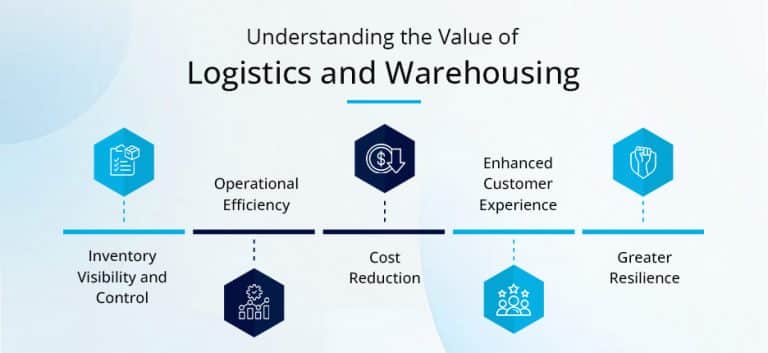
A great warehouse means that you will have a clear, real-time picture of what is still in stock and what is not. There are a few tools, like Warehouse Management Systems (WMS), that make it convenient to keep track of each item, forecast demand, and restock on time.
When everyone from purchasing to sales can see what’s moving, decisions happen faster, and mistakes happen less. That means no more overstock cluttering your space or stockouts frustrating your customers.
When a well-organized warehouse is paired with smart logistics planning, things get faster and smoother, whether receiving goods or shipping them out. For reducing errors and saving time, things like smart layouts, barcode scanning, and automated workflows work wonders.
Additionally, your team does not have to spend time on manual work; they can focus on other important things, like keeping operations running seamlessly. The result? Orders get out quicker, and scaling up is way easier when demand spikes.
The moment of truth – when logistics and warehousing work together, the costs go down naturally. When there would be a better use of space, optimized labour, and smarter transportation planning, rest assured of no or less wasted money and higher profits.
Plus, fewer mistakes, less handling, and shorter transport routes add up over time. The money saved can be reinvested in technology, growth, or even better customer experiences.
Do you know what customers expect? They wish to have fast and flawless orders. But how do businesses ensure this? Well, all you need is a nice inventory tracking system that makes sure your business can meet the expectations of the customers.
Fewer errors also mean fewer returns or complaints, so your team isn’t constantly firefighting. Over time, reliability becomes a brand strength, turning happy customers into loyal ones.
Warehousing isn’t just about storing products; it’s a safety net. From supply delays to seasonal demand spikes, smart warehousing helps businesses absorb shocks and keep things moving.
This kind of resilience makes it easier to adapt on the fly, without scrambling for last-minute fixes. Your business stays steady, your customers stay happy, and growth stays on track.
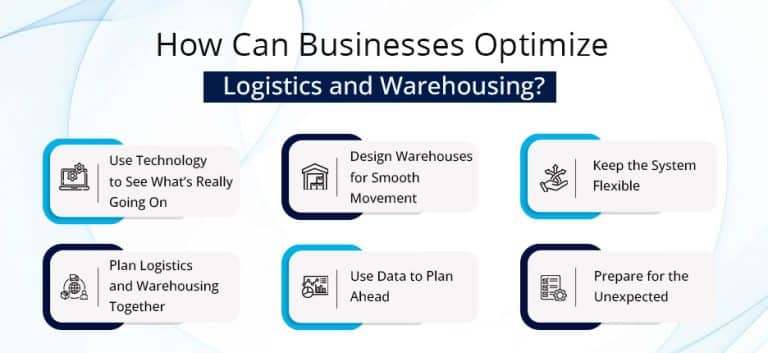
Today’s supply chains run on visibility. Using tools that track inventory in real time helps teams know exactly what’s in stock, what’s moving, and what needs attention.
When all this information sits in one place, managers can make quicker decisions, avoid mistakes, and plan restocking without the guesswork that often leads to delays or shortages.
A warehouse should be easy to move around in, not a maze. Smart layouts place fast-moving items closer to packing areas and keep receiving, storage, and shipping clearly organized.
Simple workflow changes like picking multiple orders at once or dividing tasks by zones can speed things up while also reducing physical strain on workers.
Logistics and warehousing work best when they are planned as one system, not as separate tasks. This means aligning inventory levels with delivery schedules and order timelines.
When teams are on the same page, communication improves, repeated work is reduced, and shipments move out faster with fewer last-minute changes.
Where a warehouse is located makes a big difference. Facilities closer to customers or major transport routes help shorten delivery times and lower transportation costs.
Spreading inventory across more than one location also makes it easier to handle regional demand changes or unexpected disruptions without slowing everything down.
Business demand rarely stays the same all year. Warehousing systems that can scale up during busy seasons and slow down when needed give businesses more control.
This flexibility can come from adjustable storage setups, short-term space options, or working with logistics partners who offer extra capacity when required.
Data is not just for reports. Looking at past sales, delivery times, and demand trends helps businesses plan better and avoid rushing at the last minute.
With clearer forecasts, teams can stock the right amount, schedule shipments more efficiently, and reduce unnecessary costs caused by poor planning.
Delays, disruptions, and sudden changes are part of supply chains. Warehousing helps soften the impact by keeping backup stock and spreading risk across locations.
Thinking ahead and preparing for different scenarios helps businesses stay operational even when things do not go as planned.
PPFD can handle it all:
This means you don’t have to move here and there; you just have to rely on multiple vendors, and orders will move from shelf to shipment smoothly and on time.
You Always Know What’s in Stock
Everything is transparent with PPFD. One can always see which products are in stock and which are running out of stock. This surely helps in avoiding last-minute surprises, missed orders, or overbuying.
Space and Support That Adjust With You
Some months are busy, others are not. PPFD’s warehousing adjusts to your needs. You can scale up during peak seasons and slow down when things are quiet, without being locked into space or costs you don’t need.
They’ve Done This Before
PPFD works with many types of businesses, from online stores to automotive and retail brands. This experience helps them handle products properly, avoid common mistakes, and keep orders moving smoothly, even when volumes grow or change.
When logistics and warehousing are done right, everything feels easier. Orders move smoothly, inventory stays under control, and your team can focus on growing the business instead of fixing daily issues.
PPFD helps bring clarity and flexibility to your supply chain, without overcomplicating things. If you want logistics and warehousing that actually work for you, get in touch with PPFD and let’s talk.
Start by listing fixed costs like storage and labour, then add variable costs such as shipping and seasonal demand. Always leave room for unexpected spikes so your budget does not fall apart during busy periods.
It depends on your size and growth plans. In-house works for stable volumes, while outsourcing offers flexibility, expertise, and fewer headaches when demand changes.
Yes, absolutely. Shared or flexible warehousing lets small businesses access better systems and space without high upfront costs.
Share :
get started
Our team is eager to partner with you and show why PPFD is the go-to choice for businesses aiming to streamline their logistics and distribution.